Development & growth
Rezoning and development approvals, the Official Community Plan, density, town and village centres, neighbourhood character, permitting speed.
City of North Vancouver — Mayor
3 of 4 in this race · you elect 1
Identify infrastructure needs before approving major additional density.
Show what a development receives and what the community receives.
For substantial growth, the City should show the expected population and the roads, utilities, parks, schools, recreation and emergency services it’ll need, with DCCs, CACs, government funding, City costs and what could fall to taxpayers all on the same timeline.
Principle: Don’t approve growth today and leave residents with the infrastructure bill tomorrow.
The province requires some density near transit, and that’s fair. A density transfer that put a 21-storey tower on a block capped at 6 to 8, with residents limited to written comments, wasn’t required. The standard I’d push for is infrastructure planned before density arrives, and a real public hearing rather than a workaround.
Clear requirements, published service standards, productive administration, resilient budgets and public accountability for major projects.
These standards apply when an application is complete and compliant. They cover the City’s portion of the process and do not waive provincial health, liquor, fire, building, safety or other legal requirements.
Straightforward applications that are complete and compliant.
Where the use is permitted and all City requirements are satisfied.
Publish a complete checklist before an applicant spends money.
Run internal reviews in parallel where possible rather than serially.
Publish the percentage of files meeting the service standard.
Identify
Link population growth to a long-term plan for roads, utilities, parks, recreation, transportation, public safety and community services.
Can we build this now, and what will it mean in 20 or 30 years?
Housing objectives should recognize the physical reality of our community.
As Mayor, I would ask the Province to exempt the City of North Vancouver from the requirement to pre-zone sufficient land for the full provincial 20-year Housing Needs Report calculation. Growth planning should reflect existing density, limited land and the infrastructure needed to support it.
This would not mean stopping housing construction.
Secured $18.6 M in federal funding to support and modernize housing policies to speed up delivery, expand affordability and invest in infrastructure
Updated the Mid-Market Rental Policy to improve eligibility criteria, a fair and transparent tenant selection process
Advanced the Development Application Process Review to improve the development approvals process from end to end
City of North Vancouver — Council
15 of 18 in this race · you elect 6
This must change quickly if we want to address the challenges of supporting an ageing population, reducing commuter traffic, improving affordability, and maintaining our cohesive community character.
We can do this by growing differently – with housing policies that encourage the types of homes people need, reduce costs and delays for new homes, protect existing affordability, and increase non-market housing options.
Speed up business permits and development permits for tenant improvements
Shift growth towards low-rise and missing middle housing — townhomes, rowhouses, and multiplexes — that cost less to build than towers
Expand non-market housing by dedicating city land, updating zoning, reducing fees, and fast-tracking approvals for non-profit housing projects
If elected, Anna will champion attainable housing; match growth with infrastructure and services; improve transportation safety and connectivity for everyone; support families and local businesses; and advance climate resilience.
North Vancouver can grow without losing its heart—remaining connected, thoughtful, and people-first.
North Vancouver continues to welcome new residents, and thoughtful growth is essential to our future. But new homes must be matched with the infrastructure that makes everyday life work—roads, transit, childcare, schools, recreation facilities, parks, utilities, and community services. Growth should strengthen neighbourhoods, protect quality of life, and ensure existing residents are not left dealing with congestion, strained services, or infrastructure that falls behind. Long-term planning should anticipate growth rather than react to it.
Last term, while a member of the City’s Advisory Design Panel, I advocated for buildings with greater overhangs and larger openable windows, as well as designs which supported the retention of trees where possible. I also supported the City’s first tree protection bylaw to protect our tree canopy on private property, in multi-family residential, commercial, civic, industrial and mixed employment areas across the city. This means that any tree at or greater than 20cm diameter at breast height (1.4 metres) will require a permit for removal, even if there is no active development taking place.
Businesses cluster where there’s a reason to: the Health Innovation District around Lions Gate, marine and technology employment near the waterfront, brewing and food production in the Brewery District. Districts create the density of activity that makes a place worth locating in.

Second: Looking to investigate if we can optimize the zoning bylaw to make it easier for homeowners to renovate their home. Obstacles and bureaucracy are clear limiting factors to those seeking to densify their home. One example comes from the Zoning Amendment Bylaw No .9137, that the new Floor Space Ratio (FSR) is limited to roughly 10% more than what is currently permitted. If the allowed space barely exceeds that of one home, it can be argued that more will opt to be build a slightly larger, pricier house rather than multiple, smaller affordable units.
Creating avenues to transition single-family homes into multi-family lots without losing the essence of the neighbourhood.
Provincial housing pressures have pushed the creation of more housing supply, the city has done some work in bylaw changes inteneded to allow multiplex housing in single-family neighbourhoods. I believe that we need to enact policy changes that encapsulates the City’s vision of a “dense, complete community”.
Streamlined permitting for affordable housing and renovations that reduces delays without sacrificing quality
Better accessibility standards and energy efficiency in new developments
I support growth that is well planned to meet the community’s needs, supported by infrastructure, and respectful of neighbourhood character.
Upgrading Tammy’s home with a heat pump in 2024, we experienced some major permit delays, increasing costs for everyone. Tammy focussed on finding a resolution, communicating between city staff and governing bodies to get things resolved.
I supported North Shore Neighbourhood House redevelopment, including housing for families and workers. I championed pedestrian safety, accessibility, mature tree retention and heritage preservation.
Andrews bike lane design, the closure of sections of West Grand Boulevard, and elements of the Lonsdale Great Street project that required greater clarity and public consultation. I also voted against resolutions related to development proposals when I believed they did not adequately address parking, tenant displacement or when whe I believed the loss of mature trees or a heritage building could have been avoided.
Looking ahead, I will continue to push for practical measures that support responsible growth and preserve the qualities that make North Vancouver such an exceptional place to live.
And I believe good planning includes knowing when to revisit a plan. Circumstances change, and sometimes the right decision is to adjust course. I want City Hall to be clear about what we’re trying to achieve, measure whether it’s working, and be willing to change direction when the evidence tells us we should.
North Vancouver is growing, and the choices we make over the next few years will shape this city for a long time.
I want us to build the homes people need while making sure infrastructure and services keep pace.
Three priorities guide my campaign: growth that works for people, safe and welcoming neighbourhoods, and a City Hall that listens, explains, and delivers.
The homes our community needs, supported by infrastructure that keeps pace and clear, thoughtful approvals.
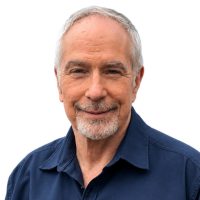
The amount of growth that past councils have approved has happened without adequate improvements to the supporting infrastructures that are needed to support the significant population growth. There are many issues that require serious consideration if the quality of life is to be sustained and improved upon in the future.
What you see today on Central Lonsdale may be a preview of its future. City Council has endorsed the Lonsdale Great Street Project — a long-term vision to transform the heart of North Vancouver. But what was actually approved? And does this plan reflect the reality of this city — today?
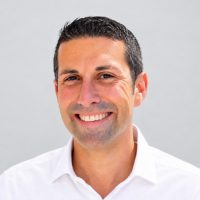
The City has made real progress in diversifying the shapes and sizes of homes available in our community. We have focused new housing near major corridors and frequent transit, including areas now supported by RapidBus service. This helps give more people the option to live close to work, school, services, and transportation.
We also need to better integrate rental housing with local commercial areas, including retail and office developments. The most vibrant and livable cities in the world combine homes, shops, services, public spaces, and transit so people can meet more of their daily needs close to home.

In recent years, "public consultation" at City Hall has turned into an expensive, corporate exercise. Whenever a controversial decision arises—whether it's an Official Community Plan review or a major corridor overhaul like the "Great Street" project—the city hires high-priced …

That change is only accelerating, and I believe our challenge is to grow while protecting what makes this place our home.
Our city should support diverse housing that allows young people, seniors, and families to stay in our community and share the same neighbourhoods. It’s not just how many units we need to build, it’s about who we are building them for.
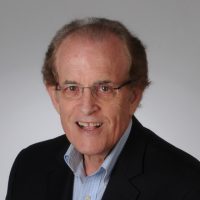
I am concerned about the high rate of development, increasing traffic congestion, lack of parking and challenges with new paid parking bylaw regulations.
There are many issues that I believe must continue to be priorities for the next Council term: increasing traffic congestion; rat-running vehicles through side streets; better parking solutions and regulations; future plans for Central Lonsdale; safer streets, paths, and sidewalks; mitigating conflicts between cars, pedestrians, cyclists and electric scooters.
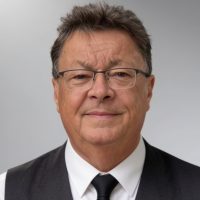
Tenant Protection & Housing: Champions a binding Tenant Relocation Bylaw and a 10-year Revitalization Tax Exemption to incentivize repairing older buildings over demolition.
Parks & Green Space: Plans to convert the city-owned lot on East 1st Street into a permanent park, upgrade sports fields to all-weather surfaces, and incentivize functional green space in new developments.
Smart, Liveable Urban Design: Let's maximize our community spaces by encouraging new multi-family developments to build beautiful, functional on-site green areas and community gardens rather than concrete plazas. By integrating these spaces directly into new housing, we enhance urban liveability and provide residents with private, usable outdoor sanctuaries right at home

Redevelopment of Capilano Mall Ensuring the responsible redevelopment of Capilano Mall and surrounding lands is essential. The current plan proposes multiple residential towers, with a mix of condominiums, rental housing, and workforce housing, along with retail space, a community centre, and a public park. Now in the planning and public consultation phase, this project is expected to be one of the largest single redevelopments in our city. It is important that we work with the developer to ensure it is supported by the necessary infrastructure and amenities, and that it reflects the long-term interests of our community.
Lonsdale Great Street Project This is an exciting project for our community, and I look forward to seeing it come to fruition. The Lonsdale Great Street Project is an opportunity to transform Central Lonsdale into a vibrant neighbourhood hub — a place where people can live, work, shop, dine, and gather, while also creating a welcoming destination for visitors.
District of North Vancouver — Mayor
3 of 5 in this race · you elect 1
ProblemGrowth is sometimes approved before the pipes, roads and services are ready. PromiseI will propose public infrastructure and financing statements for major rezonings, showing upgrades and who pays.
ProblemGrowth is sometimes approved before the pipes, roads and services are ready.
PromiseI will propose public infrastructure and financing statements for major rezonings, showing upgrades and who pays.
ProblemSchools and transit are run by other agencies, yet growth decisions depend on them.
No major rezoning or District growth plan without a clear public answer on District infrastructure, who pays, and what depends on schools and transit.
I am not anti-housing. I am pro-infrastructure: new homes need the water, sewer, roads, schools and transit to support them.
I will propose public infrastructure-capacity and financing statements for major discretionary rezonings and District-led growth plans, consistent with provincial law.
I’m committed to responsible development in designated growth areas, without sacrificing the character of mountainside neighbourhoods. Our walkable transit-oriented centres must reflect North Van through design & public art, offering the shops, services & (affordable) housing we need.
Development, housing, and community life — sequenced with the infrastructure to support it.
Fifteen years since they were planned, our growth centres haven't turned out as desired — Lynn Creek & Lions Gate centres lack even a grocery store amidst the towers, while Lynn Valley & Maplewood centres feel disjointed
Focus growth in transit-oriented centres and corridors, and invest in supporting infrastructure & placemaking
Ensure better outcomes in our town and village centres, including the types of residential units needed (size & affordability), and essential shops, services, and amenities within a short walk or cycle
Accelerate the buildout of the Marine Drive corridor as a complete

Build Smarter: Deploy AI-powered instant building permits to slash municipal review delays from months to minutes.
A proposal that adds 1,000 parking spaces must come with a public transportation plan that accounts for every new vehicle movement, protects local streets, and keeps the corridor moving.
Graham will press for a transparent traffic-impact review, coordinated signals and intersections, safe walking and cycling connections, and clear mitigation commitments before this scale of parking is approved. Growth must solve congestion, not lock it in.
District of North Vancouver — Council
13 of 15 in this race · you elect 6
Dan Anderson is running for District Council because our community deserves responsible growth, accountable government, and infrastructure that keeps pace with development.
Since provincial bills have stripped local governments of planning power, Victoria’s one-size-fits-all density model is failing the North Shore—our unique terrain, infrastructure limits, and neighborhood character can’t be ignored. Rigid density quotas and clawed-back zoning powers leave councils unable to balance housing with infrastructure, green space, and livability. That’s not planning; it’s planning from a distance.
If elected, I will petition Victoria to repeal Bill 44 and restore municipal authority over community planning, while strengthening community oversight of District finances through purpose-built committees.
I believe we can make room for the future without taking away what people value about the North Shore. My approach is practical: protect what works, fix what does not, and plan ahead.
HOUSING: Homes for every stage of life, in the right places and close to transit, shops and services. The province has set the rules. We can spend years fighting them, or focus on getting the infrastructure and planning right for North Vancouver.
We can't ignore the fact that the region is growing. We can shape that growth, or let it shape us.


I’m running for District Councillor because I believe North Vancouver is changing, and I want to help us prepare thoughtfully for what comes next while preserving what makes this community special. I care about housing that allows people to put down roots, transportation that works for everyday life, strong neighbourhood connections, responsible growth, environmental stewardship, and preparing our community for climate and technological change.
I believe progress and preservation don’t have to be opposites.
To honour the choice of numerous families, we must maintain and improve the structures, systems, services and community rhythms that make the District of North Vancouver such a wonderful place to live, while also being willing to look ahead and thoughtfully prepare for the future.
Progress and preservation don’t have to be opposites. We can plan for growth while protecting what matters. We can welcome new neighbours while strengthening the community we already love. And we can make decisions today that ensure North Vancouver remains a place where families can thrive for generations to come. I am committed to:
As a renter who commutes daily by transit across the Ironworkers Memorial Bridge, I understand firsthand the challenges many residents face, including traffic congestion, the impacts of growth and development, and the shortage of attainable housing.
I am particularly passionate about addressing affordable housing, homelessness, traffic congestion, and ensuring that the pace of development reflects the needs and priorities of the residents who live here.
Allocating Community Amenity Contributions (CACs) from developers to the Affordable Housing Fund
Since 2023, the provincial government has passed mandated Bills that fundamentally change how local governments plan, consider, and approve development. Council has lost some of their historical decision roles, and citizens have lost opportunities to speak and affect decisions.
At the April 13, 2026 Council meeting, Council passed a motion not to support SSMUH implementation as implied by Bill 25.
Betty voted with the majority — she doesn't want zoning decisions made in Victoria, or her community to lose their voices.
Neighbourhoods that foster connections, including ground-level space for businesses or services, safe streets for all users, and spaces to gather and build community
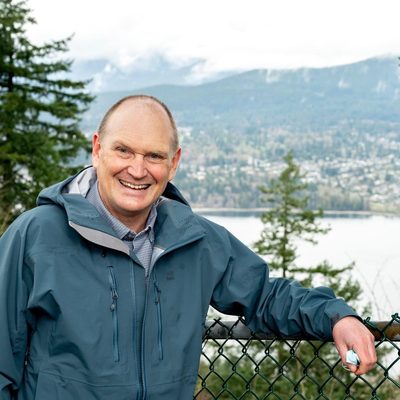
Fighting for slower, responsible growth that our infrastructure can actually support.
Opposing overdevelopment while backing rental and affordable housing for those who need it most.
Ensuring development decisions respect the natural environment and community character.

Development and Growth – Affordable Housing and Cost of Living
We need diverse housing options – advocating for sensible development that increases housing supply, including options for young families buying their first home, rental options and accessible housing for seniors wanting to age in place.
We need to support housing developments near transit and key hubs so local workers, teachers, first responders and healthcare staff can afford to live in the community where they work.
Ensuring new housing developments are paired with necessary community infrastructure, public transit, and school planning to maintain neighborhood livability.
A really good example is the new Kiwanis
If elected, I will commit to supporting sensible policies that reduce red tape, improve vibrant commercial hubs and keep our local economy strong.
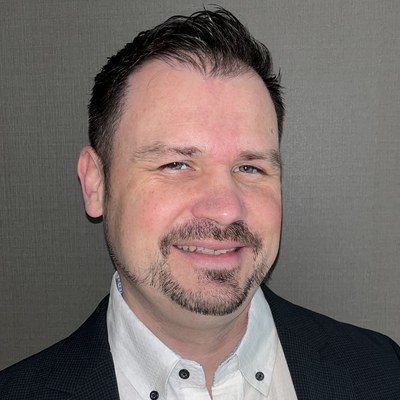
I believe growth must be supported by the infrastructure and amenities needed to sustain it, while protecting our remaining forests and respecting the unique needs of different neighbourhoods.
When transit infrastructure is in place, consider well planned developments
I don’t subscribe to the mantra that we can build our way out of the affordability problem. Unfortunately the BC provincial government has wholeheartedly endorsed this mantra, and I believe that the BC government's Bill 44 is the wrong approach for municipalities. Bill 44 takes power away from local governments where people actually live, and gives that power to politicians and bureaucrats in Victoria instead. It is now more important than ever to have people on council who will scrutinize developments for the environmental and socio-economic impacts they have.
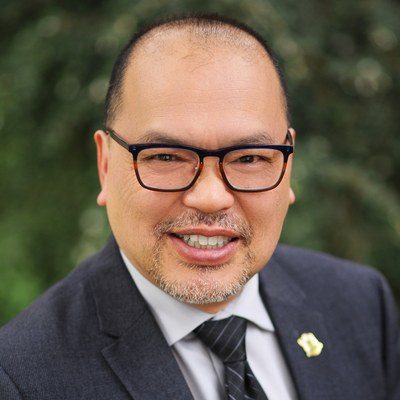
If re-elected, Herman’s priorities include (1) addressing traffic, congestion and infrastructure needs by advocating to senior levels of government for funding for transit, mobility lanes and a new crossing, (2) supporting local economy by streamlining application processes and (3) advancing affordable housing with a strong sense of community. This can be achieved by investing in co-op housing, easing guidelines for coach houses and focusing majority of growth in town centres that are connected with transit.
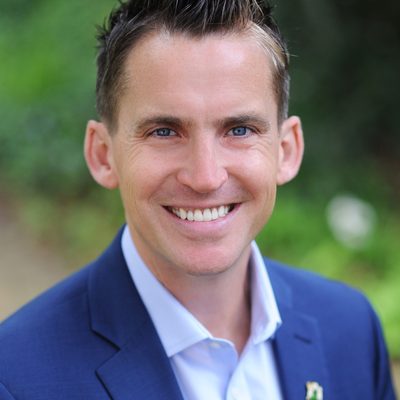
Expand housing choices while focusing most growth near town centres, transit, shops, and services.
Encourage more family-sized, accessible, and adaptable homes.
Support faster, more predictable approvals while protecting neighbourhood livability.
Support lively town centres with local shops, restaurants, and services.
20 candidates published a statement that did not mention this topic
They may well have views on it. All this records is that the sources I checked didn't cover it.