Housing & affordability
Supply, affordability, rental and non-market housing, secondary suites and coach houses, homelessness.
City of North Vancouver — Mayor
3 of 4 in this race · you elect 1
Strengthen and enforce tenant protections, including a meaningful right to return.
A Renter Concierge: one City Hall contact for tenants facing displacement.
Today the relocation coordinator is hired and paid by the developer. A Renter Concierge would work for tenants, from City Hall. Keeping displaced tenants in their community should be an explicit priority, with replacement rental and extra support for vulnerable tenants wherever municipal authority allows. Major proposals should report family-sized, rental, affordable, accessible and seniors housing, not just the total number of units.
Principle: Build new housing while protecting the people whose homes are at risk from redevelopment.
Year 2 advances the Capilano Mall and Marine Drive corridor plan and a city-wide green-space strategy, puts a City Hall contact in place for renters affected by redevelopment, and plans transportation as one network, including walking, cycling, transit, accessibility, businesses, deliveries, parking and emergency access.

Measure housing success by affordability and suitability, not simply by unit count.
Build homes people can actually live in through different stages of life.
Homes counted toward a family-housing standard should be judged by how well they work, not just the number of bedroom labels on a plan.
We’re building much smaller homes on much less land, but the price isn’t falling by much.
Use modern building forms to create better family apartments.
Support single-egress-stair and other modern building forms where provincial rules permit them, to create better apartment layouts for families.
Improved daylight and cross-ventilation where design permits
Genuine family apartments rather than
Housing objectives should recognize the physical reality of our community.
As Mayor, I would ask the Province to exempt the City of North Vancouver from the requirement to pre-zone sufficient land for the full provincial 20-year Housing Needs Report calculation. Growth planning should reflect existing density, limited land and the infrastructure needed to support it.
This would not mean stopping housing construction. We would continue planning for rental housing, family-sized housing, seniors housing, non-market housing and appropriate redevelopment.
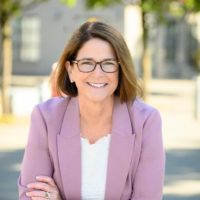
That means continuing to deliver housing that meets the needs of families, youth, and seniors who call our city home - or hope to.
Advanced North Shore Neighbourhood House Phase 2 Hub Development, including a mass timber building with 179 rental homes, 30% below-market, and a new North Shore Neighbourhood House – these phases represent the single largest investment in non-market housing in a generation on public lands
Secured $18.6 M in federal funding to support and modernize housing policies to speed up delivery, expand affordability and invest in infrastructure
Updated the Mid-Market Rental Policy to improve eligibility criteria, a fair and transparent tenant selection process
Advanced the Development Application Process Review to improve the development approvals process from end to end
Adopted the new Housing
City of North Vancouver — Council
15 of 18 in this race · you elect 6
Our city should support diverse housing that allows young people, seniors, and families to stay in our community and share the same neighbourhoods. It’s not just how many units we need to build, it’s about who we are building them for. The people who live and work here should be able to choose North Vancouver as their home. This means mixed-use density in transit corridors, small-scale multi-unit gentle density in residential neighbourhoods, and increasing non-market housing and tenant protections.
My mother Maribell, my partner Sinéad, and I all continue to make our home here in the City of North Vancouver, despite the fact that we struggle to afford to live here. I am running to make sure that all the folks who have dedicated their lives to this community continue to be able to live and thrive here now and into the future.
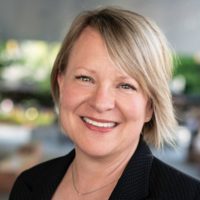
A Home You Can Afford – more affordable homes, fewer barriers
Re-elect me October 17, 2026 and I will continue to support diverse housing options with fewer barriers. This includes a healthy mix of:
Mid-market rentals — for low-and moderate-income earners who don’t earn enough to afford today’s market rents
Family-friendly rentals (3+ bedrooms) — for renting families who need more space
Senior-oriented housing — for seniors looking to stay in the community as their needs change
Rent-to-own options — for first-time buyers who can’t assemble a down payment
Flexible and multi-generational forms — townhouses, cohousing, duplexes, and homes with secondary suites or coach houses that can serve as a mortgage helper or let family members age in

Creating more affordable and diverse housing options We’ve made meaningful progress in expanding rental housing, but there is still more work to do. I will continue to support the creation of more affordable and diverse housing options by advocating for below-market units in new developments, protecting and expanding our rental stock, and encouraging a range of housing choices—including rent-to-own, basement suites, coach houses and coach house stratification, lock-off suites, and workforce housing. I also support pre-zoning areas to allow for smaller lots and more attainable housing options.
Reduce homelessness This is a significant and growing challenge for our community. We need more emergency shelter space on the North Shore, as well as regular access to warming centres—not only during extreme weather. I support expanding services within shelters, including access to meals and programs that help people re-enter the workforce. I will continue working with local and provincial partners to strengthen these supports and build a healthier, more inclusive community.

I know just how hard it is for families to stay in North Vancouver in affordable homes that meet their needs.
Too many of our younger residents, workers, and friends are being priced out of our community. This must change quickly if we want to address the challenges of supporting an ageing population, reducing commuter traffic, improving affordability, and maintaining our cohesive community character.
We can do this by growing differently – with housing policies that encourage the types of homes people need, reduce costs and delays for new homes, protect existing affordability, and increase non-market housing options.
Many North Vancouverites worry there can’t be a future here for them or their loved ones due to our housing shortage. Recent growth has not produced the right homes for our families and workers, especially during life changes like downsizing due to aging, starting a family, or leaving a childhood home. This lack of attainable housing options makes people leave our community, weakens our social support networks, and is changing who can afford to call North Vancouver home.
We need to grow differently.

If elected, Anna will champion attainable housing; match growth with infrastructure and services; improve transportation safety and connectivity for everyone; support families and local businesses; and advance climate resilience.

I am running because the cost of living has grown at such an unattainable pace that living on the North Shore for many is no longer a viable option.
From housing and rental prices so unaffordable to buy, let alone rent for many young families and working adults who wish to live on the North Shore, our constant traffic woes which forces many, for those that can’t live on the North Shore to decide if the cost of travel is enough for the benefit of the work, to the rise of the crushing cost of living on the North Shore.
Expand the existing “Affordable Housing Reserve Fund” to give more incentives to homeowners.
Expand the existing “Housing Initiatives Grant” to homeowners specifically building for senior housing and those with disabilities.
Streamline Inclusionary Housing Policy to raise both the amount of units to 30% and streamlining rental rates to 30% to match BC Housing’s definition of Rental Affordable.
Increase the amount of units secured via the Inclusionary Housing Policy towards stratified developments from 2% to 10%.
Look into the viability and implementation of rent-to-own programs.
Creation of a Workforce Housing program, securing 20% of net new units to be dedicated for individuals and
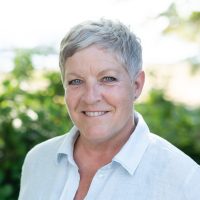
I want to keep North Vancouver a place where families can grow, young adults can make their own homes, and seniors can age in their community.
Purpose-built rental housing that includes family-sized homes
Affordable housing partnerships with provincial and federal governments and non-profits
Streamlined permitting for affordable housing and renovations that reduces delays without sacrificing quality
Building more rental and affordable housing will reduce congestion on our bridges: people who work in the community can LIVE in the community rather than commute.

My priority is to ensure that growth works for the people who live here: the right homes, infrastructure that keeps pace, and careful review of the projects that will shape our city for decades.
Champion the homes we need: secured rental, three-bedroom family homes, seniors housing, below-market and non-market homes, and well-designed missing middle.
Make essential worker housing a clear City priority, with measurable targets for homes within reach of healthcare workers, educators, first responders, and others our community depends on.
Advocate for services and infrastructure that keep pace with growth, with major projects assessed against transportation, schools, childcare, parks,
North Vancouver is growing, and the choices we make over the next few years will shape this city for a long time.
I want us to build the homes people need while making sure infrastructure and services keep pace.

I stood up for displaced tenants.
My second-term priorities are public input, traffic flow, transit, affordable housing, protections for displaced tenants, more trees and parks, business vitality, and stewardship of taxpayer dollars.
I supported projects that strengthen our community, including North Shore Neighbourhood House Phase 2, with its respite centre and housing for people who work here; the completion of the Harry Jerome Community Recreation Centre and Silver Harbour Seniors’ Activity centre project, which were already underway when I was elected; new parks and public spaces; improvements to the Shipyards, the library, and the museum; and upgrades to the Mickey McDougall Community Recreation Centre, the new home of Flicka Gymnastics.

I've talked to many residents who are very concerned with the City’s fiscal situation and the impact it will have on affordability. Whether they are property tax payers or renters, they know that we are all headed for higher utility and property tax bills.
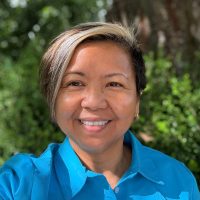
If elected my primary goals If elected, my primary goals will focus on advocating for community safety, addressing the challenges of climate change, promoting sustainability, affordable housing & equitable governance, ensuring our decisions mirror the diverse fabric of our community.

By creating more housing options we can ensure more accessible and affordable housing options for all.
The City has made real progress in diversifying the shapes and sizes of homes available in our community. We have focused new housing near major corridors and frequent transit, including areas now supported by RapidBus service. This helps give more people the option to live close to work, school, services, and transportation.
Today, many new rental projects are coming online. Over the last eight years, the City has seen its largest increase in rental homes since the 1970s.
Advance workforce housing so more people who work in North Vancouver can afford to live here.


A diversity of mobility and housing options that meet the needs of all residents.

In addition, the need for truly affordable and workforce housing to help keep people on the North Shore; climate change action; increased child care; protecting mature trees; reducing tax increases for both residents and businesses; and more effective public engagement and transparency on major issues.
Housing in all forms has become unaffordable for an increasing number of people. I support a range of options that could help keep North Vancouver livable for both existing and future residents.
District of North Vancouver — Mayor
3 of 5 in this race · you elect 1
This is the tear-down pattern: an older house comes down and a larger single house goes up on the same lot, adding nothing to the count and often removing a rental suite. It is a policy choice as much as a market outcome, because the District decides what can be built on that lot instead.
Report the demolition count beside the completion count in every housing update to council. Make it easier to replace one house with three or four homes than with one bigger house, on the lots the District has already zoned for that. And publish the approval time for every application, so a builder who waits two years can say so in public rather than to a councillor in private.
It is written for candidates, but the questions in it are the ones residents are asking, which is why it is here. Read it, then read what Max has committed to on housing: A first-term target of 1,000 affordable rental and co-op homes secured with non-profit and co-op partners, counted only once sites, approvals and financing are committed.
Sharing a guide is not an endorsement of every line in it, and gentle density is one part of a housing plan, not the whole of it. What the District can and cannot do on housing, and what the Province has ordered it to do, is on the housing page.

Our walkable transit-oriented centres must reflect North Van through design & public art, offering the shops, services & (affordable) housing we need.
Find ways for longtime residents to downsize within their neighbourhoods, or elsewhere within DNV
We must continue to work to ensure that affordable housing options are delivered in the District of North Vancouver. Locations near the expanded rapid transit system will be favourable for housing, as the financial burden of car ownership can also be reduced when there are strong alternative options for getting around.
Collaborate with all stakeholders to find innovative ways to advance new housing, utilizing cost-effective building materials and policy tools to create new options for our residents and workers in accessible locations

Direct growth to the Yaletown North transit hub with the roads, utilities, public spaces, and services it needs—while protecting the character of Seymour, Edgemont, Lynn Valley, Grouse Woods, and other established communities.
Advance practical traffic synchronization, transit connections, housing closer to major employers, and infrastructure planning that relieves pressure on North Shore roads.
Support a recovery-focused response to homelessness with shelter, food, treatment, transitional housing, essential services, and pathways to work—while keeping family spaces and neighbourhoods safe.
Graham Alexander's homelessness recovery proposal centres dignity, care, and independence while helping keep public spaces safe for families, schools, daycares, and neighbourhoods.
Safe shelter, food, and practical support for people who need immediate care.
Mental-health, counselling, and rehabilitation supports to rebuild confidence and capacity.
Transitional housing, essential services, and work opportunities that support independence.
District of North Vancouver — Council
14 of 15 in this race · you elect 6
Affordability and quality of life belong in the same conversation. People at every stage of life should be able to build roots, stay connected and see a future in North Vancouver.
The dream of starting a family in the same community you grew up in is slipping away, and that should concern all of us. When young people are priced out, we don’t just lose residents; we lose the next generation of our community’s identity. A thriving city needs continuity, not constant turnover. To change course, we have to make sure new development is liveable, affordable, and built to last. That means local governments must play their part,reviewing the cumulative costs they impose on new builds, supporting projects that meet long-term housing needs, and pushing for fairer policies at the provincial and federal level.
The systems that support us all are under strain, housing is slipping further out of reach for young people, and too many local decisions are being shaped by Metro Vancouver and distant powers in Victoria.

HOUSING: Explore alternative housing options to better meet the needs of local people

You rent while putting money away, hoping that one day—not too far from now—you’ll have enough for a down payment and won’t have to look far to find a home you can afford. You’ll be able to stay right here in the District of North Vancouver.
I think about this often as I watch friends and family move to places they can afford, even when their first choice would be to stay here—to build their lives here, raise their families here, and eventually retire here.
I’m running because I want our children and future generations to have the freedom to choose whether they stay here—not be forced to leave because of affordability, transportation, or lack of opportunity.
We can do better. We can be: thoughtful about growth, creative about affordability, and intentional about building a connected community.
But increasingly, the math doesn’t work. Their kids can’t afford to stay, their parents can’t find somewhere smaller nearby, and the math doesn’t work. This election comes down to one question: Can people stay here? I believe we can make room for the future without taking away what people value about the North Shore.
HOUSING: Homes for every stage of life, in the right places and close to transit, shops and services. The province has set the rules. We can spend years fighting them, or focus on getting the infrastructure and planning right for North Vancouver.

Helping people find housing, and safety should be principles everyone agrees on. I am in favour of using District owned land for social housing projects if the planning/approval process is clear, transparent and inclusive, and ultimately if local residents support the plans. I am also 100% for these housing projects providing the supports for people to recover from addiction. I work in the non profit space and see the harms and sadness of addictions all to often. I am against the current process the district uses to assess the best areas to put government funded housing, it seems wholly unresponsive to the community.
I don’t subscribe to the mantra that we can build our way out of the affordability problem. Unfortunately the BC provincial government has wholeheartedly endorsed this mantra, and I believe that the BC government's Bill 44 is the wrong approach for municipalities. Bill 44 takes power away from local governments where people actually live, and gives that power to politicians and bureaucrats in Victoria instead.
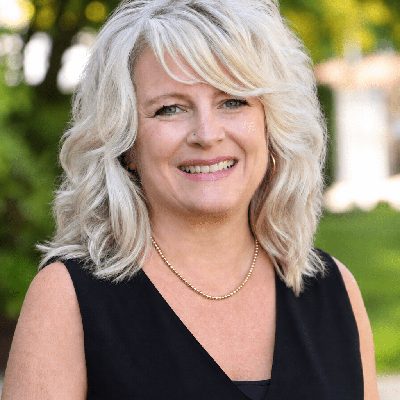
As a renter who commutes daily by transit across the Ironworkers Memorial Bridge, I understand firsthand the challenges many residents face, including traffic congestion, the impacts of growth and development, and the shortage of attainable housing.
I am particularly passionate about addressing affordable housing, homelessness, traffic congestion, and ensuring that the pace of development reflects the needs and priorities of the residents who live here.

Priorities – My top 2 – Affordable Housing & Cost of Living and Active Transportation
Development and Growth – Affordable Housing and Cost of Living
We need diverse housing options – advocating for sensible development that increases housing supply, including options for young families buying their first home, rental options and accessible housing for seniors wanting to age in place.
We need to support housing developments near transit and key hubs so local workers, teachers, first responders and healthcare staff can afford to live in the community where they work.
Ensuring new housing developments are paired with necessary community infrastructure, public transit, and school planning
Homelessness can happen to anyone and does – a lot of people are living from paycheque to paycheque. There are a lot of different reasons why and we need to offer support and help and not judgement. There needs to be more opportunities provided for support and assist with transition housing and employment to get them back on their feet.
I would be advocating for more transitional and affordable housing options. One idea I really like is the “Tiny Homes Villages” being built across North America and different versions across the world.
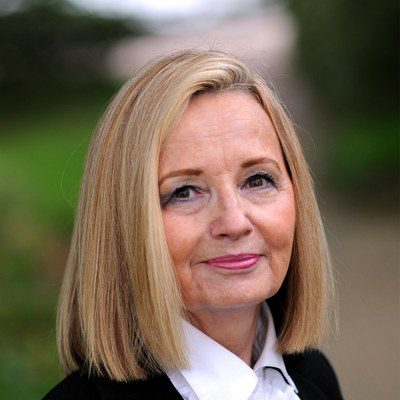
Diverse, attainable housing tied to income — not market rates. Advocating for the homeless and working with non-profits like Habitat for Humanity.
She raised her two sons in Lynn Valley and is afraid she will be the last generation of her family that can afford to live here.
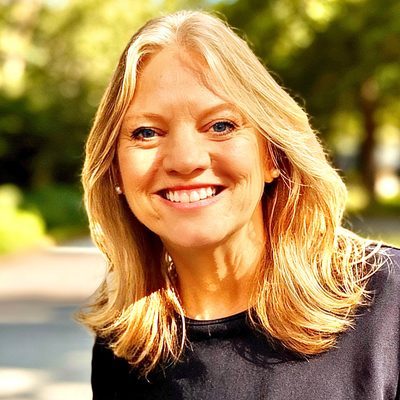
Since her election in 2022, Catherine has helped deliver more affordable housing, a new toddler playground, new pickleball courts and expanded recreation, safer streets, youth-centre funding and greater transparency in Council decision-making.
To tackle traffic congestion, she's pushing for a new bridge, SkyTrain, more transit and active transportation routes. Above all, she's working to keep the North Shore affordable for seniors, families, young people and workers.
Advocating to the Province has helped bring new affordable housing for seniors, low income residents, women fleeing violence and people experiencing homelessness in our community. I support rental and non-market projects for students, first responders, care givers, teachers and other workers. We're also modernizing outdated bylaws so families can build homes for multi-generational living.
"More affordable housing for the District of North Vancouver." — Councillor Catherine Pope

Truly affordable housing. We’re relying on for-profit systems to solve problems created by profits. Governments have an obligation to collaborate and build non-profit and co-op housing. Building renters into the conversation. The number of renters in the District is growing, and many people (like me!) see renting as a long-term option rather than a temporary stopover. Renters need an advocate and they need to be part of decision-making.
When people have stable housing, food in the fridge, and neighbours that care, they also have hope.
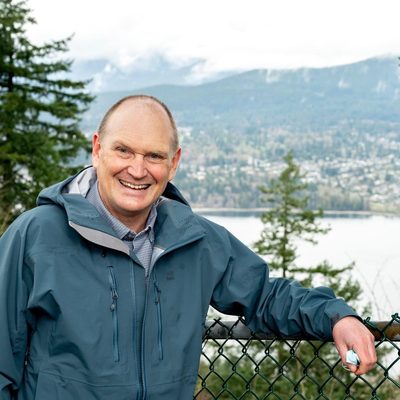
On housing, Jim will support development that addresses the needs of District residents (social, supportive, seniors and rental housing near transit hubs) and will not vote for large, expensive, strata development.
Opposing overdevelopment while backing rental and affordable housing for those who need it most.
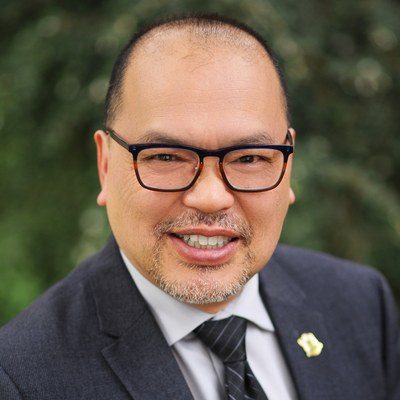
If re-elected, Herman’s priorities include (1) addressing traffic, congestion and infrastructure needs by advocating to senior levels of government for funding for transit, mobility lanes and a new crossing, (2) supporting local economy by streamlining application processes and (3) advancing affordable housing with a strong sense of community. This can be achieved by investing in co-op housing, easing guidelines for coach houses and focusing majority of growth in town centres that are connected with transit.
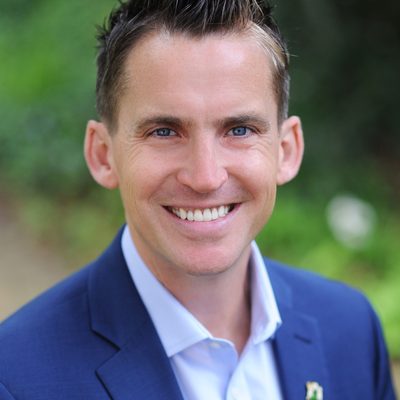
One of my biggest concerns is the missing generation —those between 20 and 40—who are leaving the North Shore due to the high cost of housing. This loss affects every part of our community, especially small businesses that struggle to find staff. Addressing this challenge must remain a top priority. At the same time, we must also plan for our growing senior population, many of whom want to stay in the community but face a shortage of suitable housing and support services. Local government has the greatest impact on our day-to-day lives.
Supported new rental, below-market, and family-sized housing in established town centres.
Championed multiplexes, coach houses, and more flexible housing options.
Advocated for student housing near Capilano University and more efficient approval processes.
Expand housing choices while focusing most growth near town centres, transit, shops, and services.
Encourage more family-sized, accessible, and adaptable homes.
Support faster, more predictable approvals while protecting neighbourhood livability.
19 candidates published a statement that did not mention this topic
They may well have views on it. All this records is that the sources I checked didn't cover it.